Creating a Food Storage Area

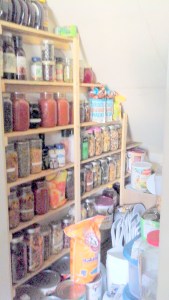
At one time I had no basement or garage, but I did have a closet located beneath a stairway. With very limited wall spade I built shelves the depth and height of a 64 ounce mason jar. I built these on facing walls. At the back of the closet, I added one deeper shelf across the lowest height of the area. This is where I stored canning supplies. It was crowded but worked. I used 1″x 4″ lumber for the shelves. For the vertical and horizontal supports for each shelf, I used 1″ x 1″ lengths.

This pantry area was located in the tiny room next to the pantry beneath the stairway. I built it using 2″ x 3″ lumber for both the vertical frame and horizontal shelf supports. I used the mason jar cases as measurement for the depth of the shelves. Sunlight found its way through the window and curtains. To help protect from the light, I attached sheets of toweling to the shelf front. Large pots and other canning supplies were kept below, and empty jars on the top shelf.
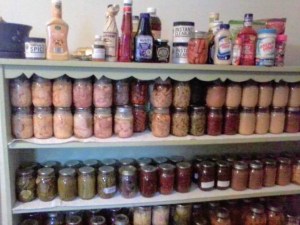
In another home I used an empty room for my food storage. Optimizing bookcases for food storage.

Bookcases, wire shelving, shelves mounted to walls, stacked crates, old cabinets. Anything can be used as low cost storage for your food supply.

A bedroom closet with wire shelving also serves as pantry storage space. We added a few more shelves inside the guest room closet at my in-laws condo.

A basement that remains cool and dry provides adequate space for a large pantry. Use metal shelving, build basic wooden shelves, or even use old kitchen cabinets leftover from someone’s kitchen renovation.

There is no are too small or too large for creating your food storage pantry. We are limited only by our imagination.

Creating a food pantry.

With rising food prices, everything else will soon skyrocket. It is imperative that we prepare for the worst while hoping for the best.

We are creating a food pantry in our basement. We have been storing our preserved foods there. We also store bulk foods in pails and all the other miscellaneous products we use throughout the year.

Our basement grocery store includes home canned foods from our garden or those purchased from local farms. It also has canned goods of foods we can’t raise like salmon. A supply of freeze-dried foods completes the list of stored foods.

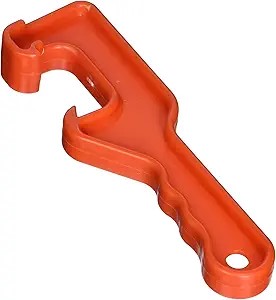
In large food safe buckets we store bulk items. Rice, beans, grains, pasta which will last years when properly stored. For long term I use large Mylar bags with oxygen absorbents inside the buckets. Do not forget to have several bucket openers handy. These inexpensive tools make re-opening the buckets much easier. When I fill a bucket with Mylar bags containing ready-to-eat meals, I attach one of these tools to the lid. These are ready for long road trips, camping or emergencies.

Do not forget essentials but less thought of items like baking soda, baking powder, lard, spices, etc. Other essentials like toilet paper and other one time use products; foil, paper towels, matches, cleaning products, etc.

When creating your food storage pantry, place the newest foods at the back of the shelf. Use the oldest ones first. Keep an inventory of your foods listing the food, date stored, as well as when removed for use. Also make note of foods you want to refill as well as those you will never preserve again.

Easiest Applesauce !

Fall, what a wonderful time of the year!..

We traveled to a remote Fruit Stand earlier this week where we purchased a half-bushel of Cortland apples, my favorite for baking, dehydrated and applesauce.

Yesterday evening I pared all but enough for fritters and a pie, then I roughly chopped the apples into large pieces, put them into a slow cooker with about a cup of apple cider (liquid to keep the apples from sticking to the pot). I set the temperature on low while I was peeling the apples, adding each to the pot until I had the amount I needed.

Next, I lowered the temperature to WARM, put the lid on and went to bed.

This morning the applesauce was perfect! I cooked down very slowly and there were some chunks which was just the way I like it.

I added nothing except the small amount of organic cider. The applesauce were naturally perfectly sweet.

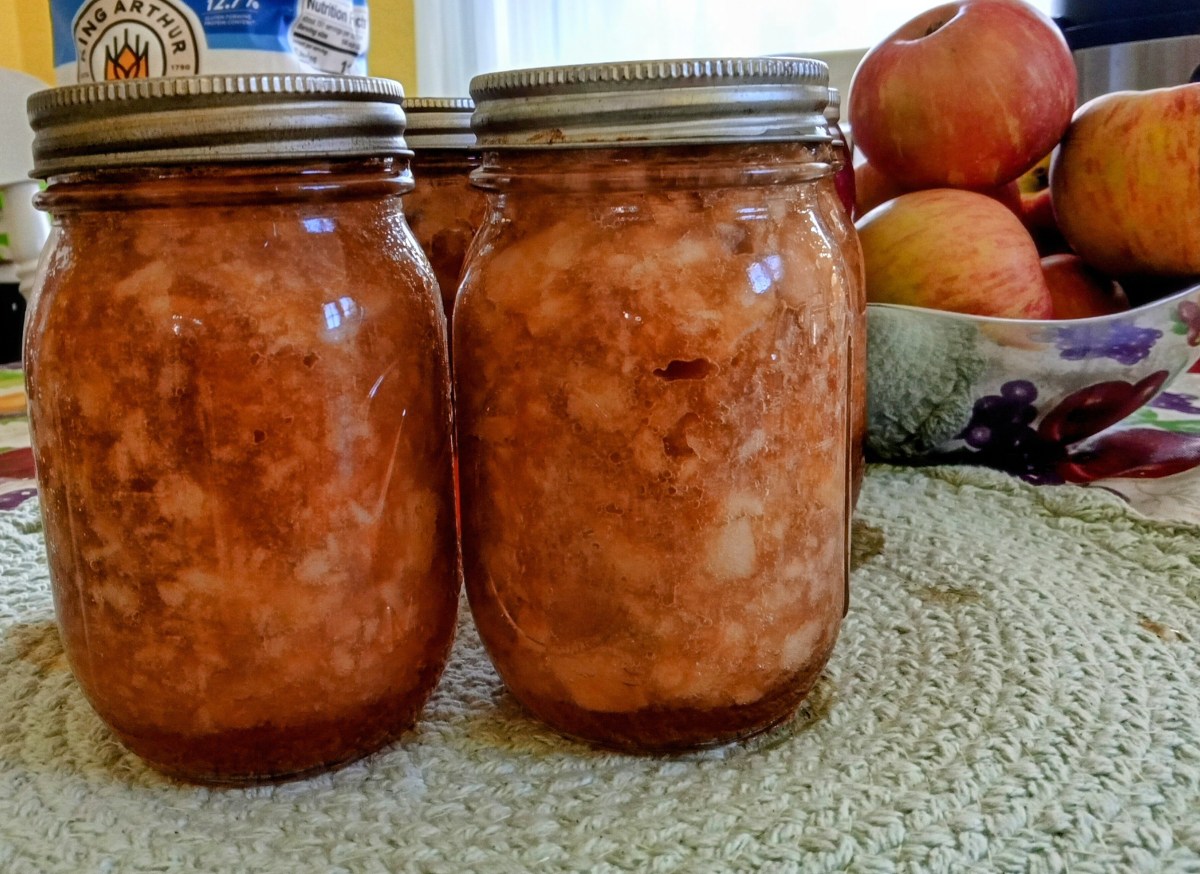
Next pour the applesauce into hot pint jars, wipe the rims and add the lids. Process 20 minutes, pints/quarts, in a boiling water bath.

The tiny garden has been productive and has given us a pathway for planning next year’s garden. Unlike at our Virginia farm our new homestead has plenty of pollinators for our garden, and surprisingly the deer stayed away all summer.

Two of the garden towers planted with yellow wax beans has produced all we need plus a supply of seeds for next year.

We planted six pasta tomato plants in grow bags and they produced enough fruit to share with the neighbors, enjoy some with our meals, and still pressure can 12 pints for pasta sauce.

We harvested sweet potatoes, butternut squash, yellow summer squash and zucchini, five nice heads of cabbage, red, yellow and orange peppers, peas, strawberries, blackberries and assorted herbs.

We have a very small yard. We have a good sized deck where we placed 7 garden towers, 9 or 10 grow bags, and a few five-gallon buckets. Down in the back yard, an area of only approximately 12 x 20 sf, I set three 13 gallon growbags for 9 sweet potato plants and three 5-gallon buckets for three butternut squash vines.

We will spend a portion of the winter months planning and designing the new springtime garden.